
What is a Power Purchase Agreement (PPA) in the Solar Industry?
A Power Purchase Agreement (PPA) is a long-term contract between a solar energy provider and a customer, where the provider installs and operates a solar power system and the customer agrees to purchase the electricity it generates at an agreed price.
In simple terms, the customer gets solar power without necessarily paying the full upfront cost of installing the solar system. Instead, the customer pays for the electricity produced by the solar installation.
This business model is commonly used for commercial buildings, factories, shopping centers, schools, hospitals, warehouses, and other facilities with high electricity consumption.
1. How a solar PPA works?
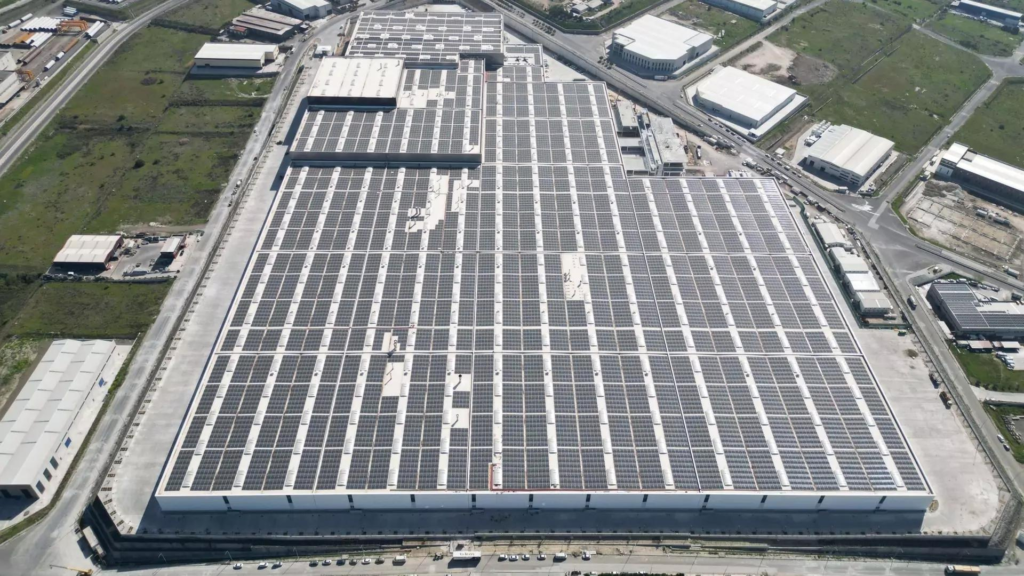
1. Solar company / PPA provider
Invests in, installs, owns, and maintains the solar power system, depending on the contract.
2. Solar electricity is generated
The system supplies electricity to the customer’s facility.
3. Customer / electricity buyer
Uses the solar electricity and pays the agreed price per kilowatt-hour (kWh).
The solar provider earns revenue from electricity sales, while the customer can potentially reduce electricity expenses and avoid a large upfront capital investment.
2. Example of a solar PPA for a factory in the Philippines
Suppose SUNGROW ENERGY develops a 500 kW grid-tied rooftop solar system for a factory.
Here is an illustrative example of how the arrangement could work:
| Item | Example |
|---|---|
| Solar system capacity | 500 kW |
| Estimated annual generation | 700,000 kWh |
| PPA electricity price | ₱6.00/kWh |
| Customer’s alternative electricity cost | ₱10.00/kWh |
| PPA contract duration | 20 years |
These are sample assumptions, not a site-specific quotation or guaranteed generation figures.
Estimated annual financial results
Annual payment to solar provider
₱4,200,000
700,000 kWh × ₱6.00
Equivalent cost at ₱10/kWh
₱7,000,000
Potential annual gross savings
₱2,800,000
Before applicable adjustments, residual utility charges, and other costs.
In this example, the customer purchases solar electricity at ₱6/kWh instead of paying an assumed ₱10/kWh for the equivalent electricity. The customer still pays for electricity obtained from the utility when solar production is insufficient, plus applicable remaining utility charges.